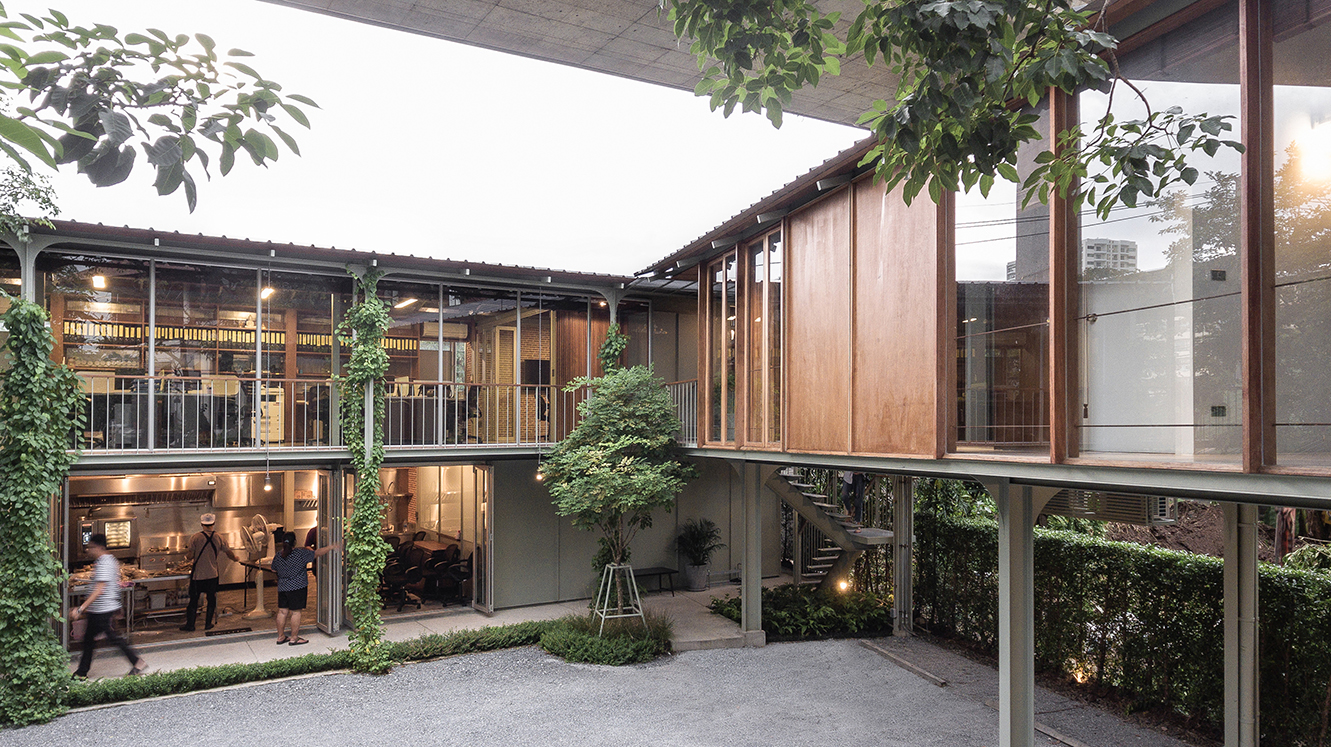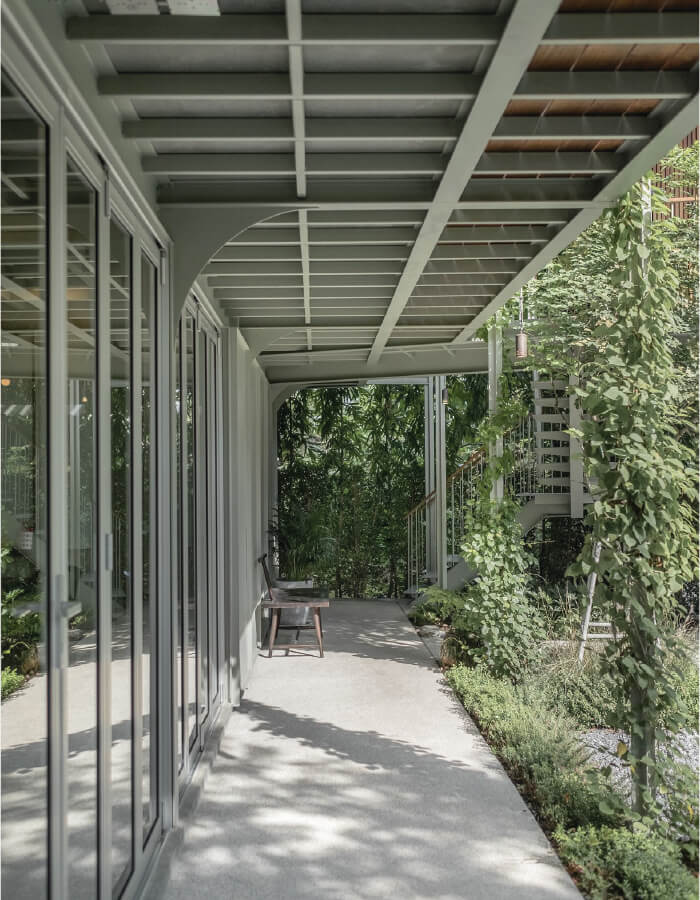
Supar Studio Office
The experiment of the 1.2 x 2.4 m. modular structure. The inspiration for the concept came from the connection between the traditional wooden boards and their limitations.

The experiment of the 1.2 x 2.4 m. modular structure. The inspiration for the concept came from the connection between the traditional wooden boards and their limitations.
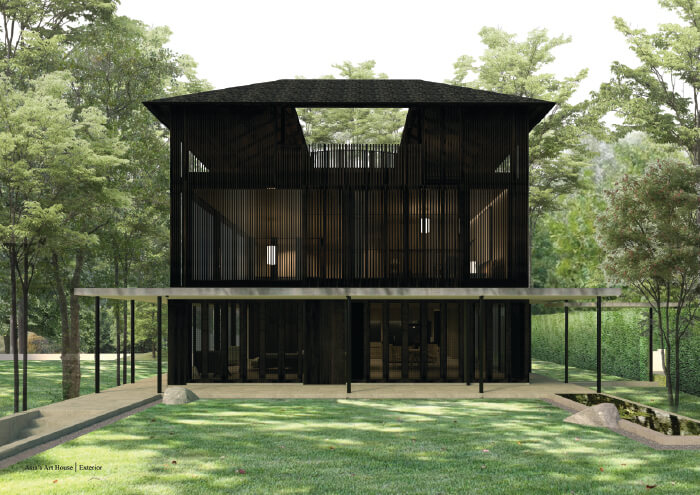
House of Asia artist collections. We use an Asian technique to preserve the new wooden facade of the house.
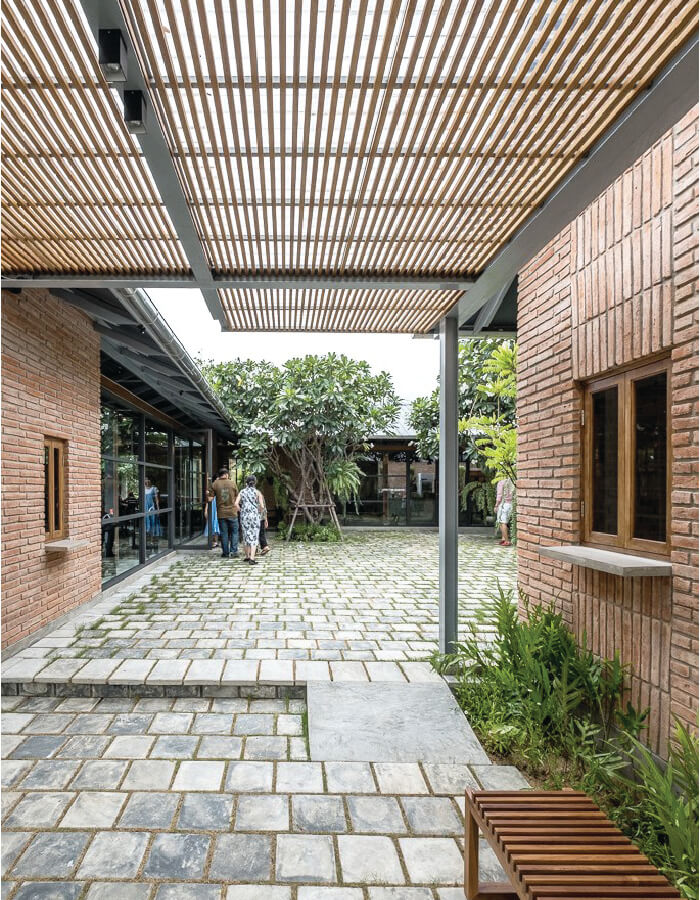
A combination of a community park and a restaurant.

Tai Thun, the open space under the Thai traditional house, is a unique space due to its quality of semi-publicness – the area is covered on the top by the house.
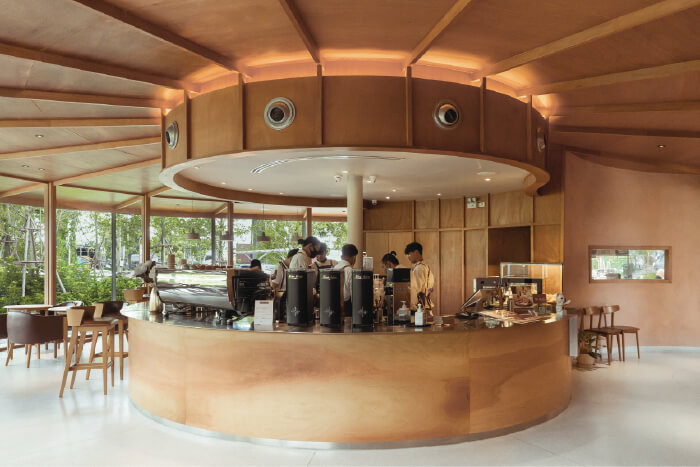
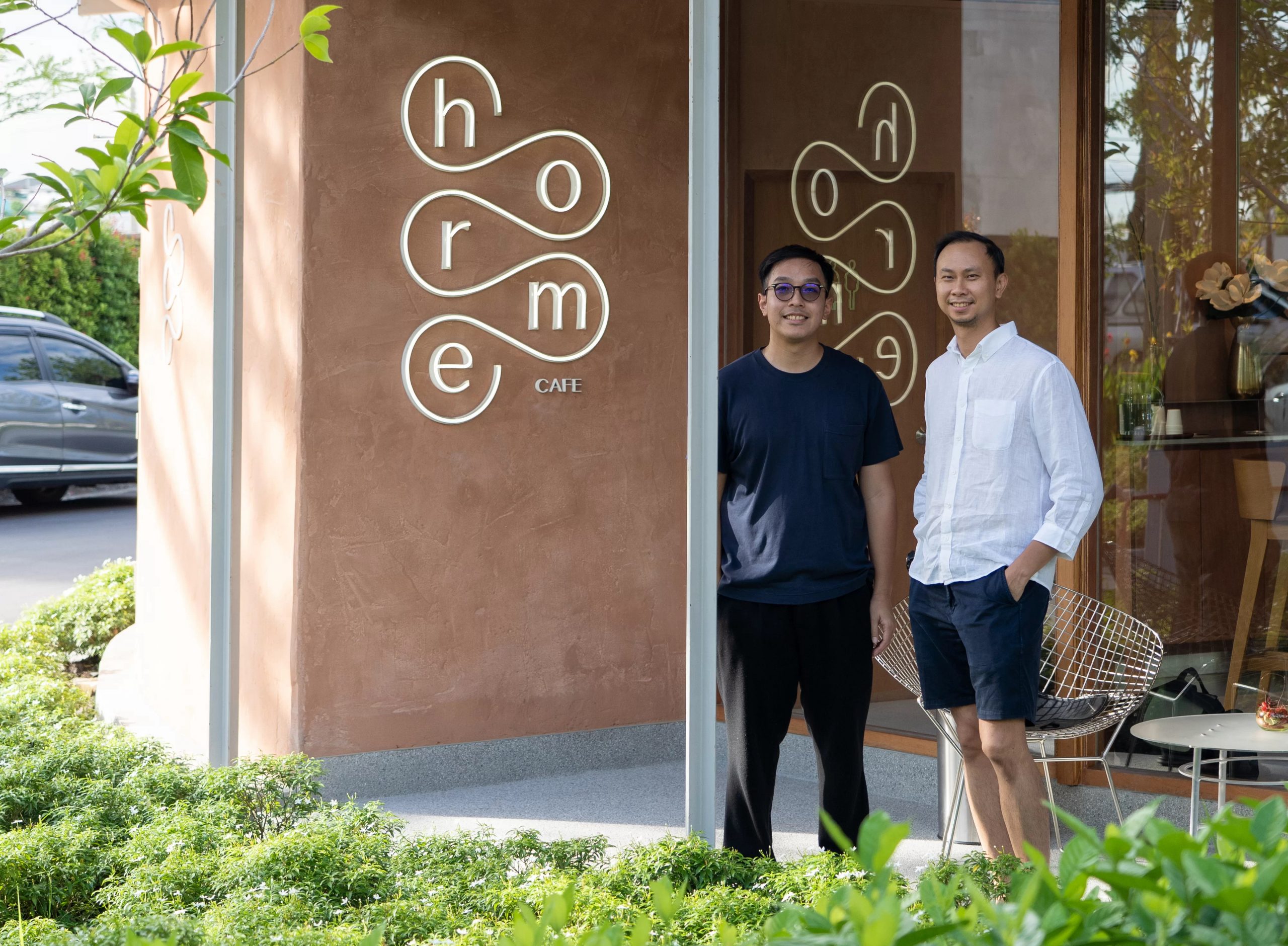
We express the true identity of plywood. A common foundation of making a good coffee and a good architectural design is to have a great understanding of the ingredients / the materials.
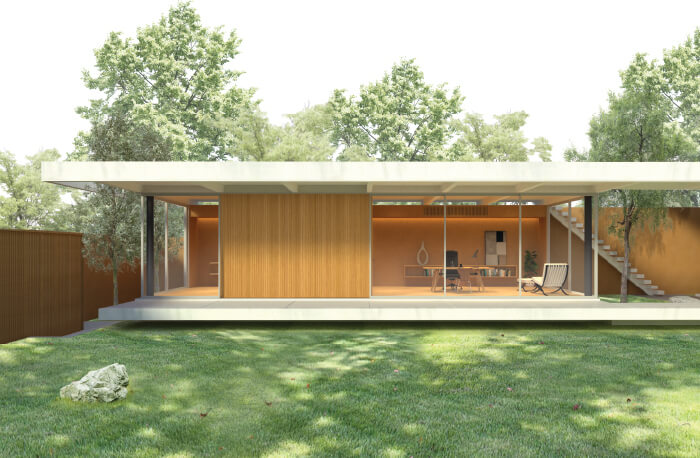
We try to explore back to the 60s when human hands are well balanced with the use of technology and the influence on house design.
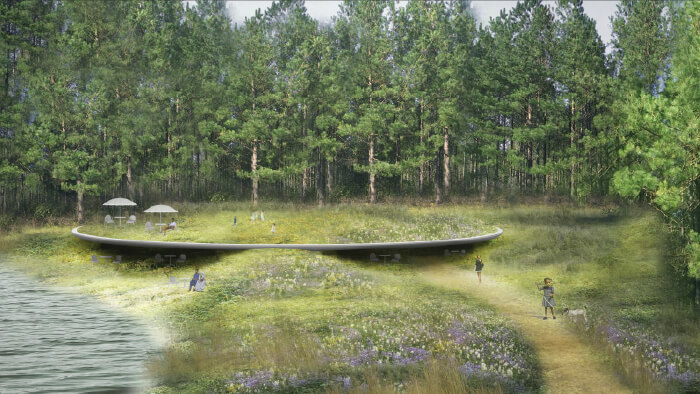
Cafe project at Kaoyai. Study of Kaoyai Native Landscape, New Kaoyai destination, and Nature Education.
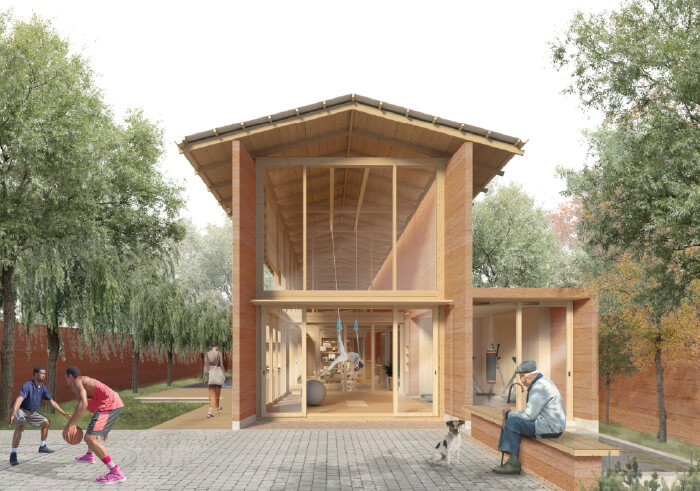
We develop rammed earth and wood structural techniques and also research sustainability, both passive and active techniques.
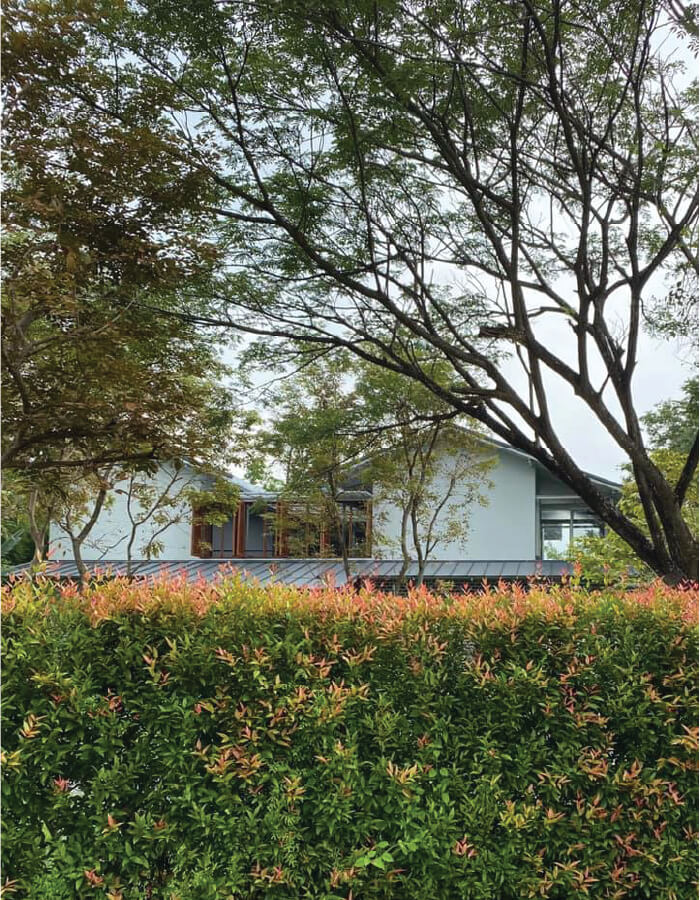
The renovation project transforming the classical existing house and reconnecting it to the Tha-Chin river.
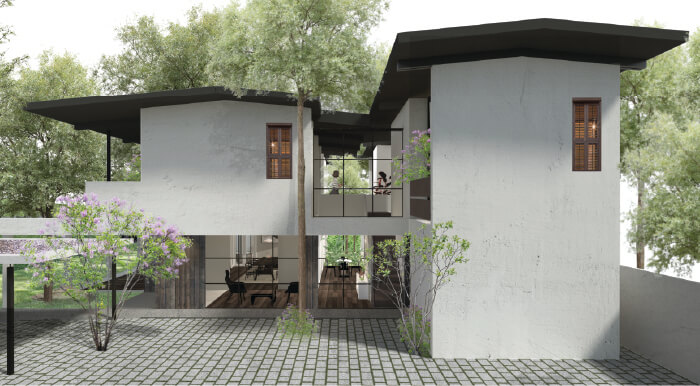
House renovation and extension project. We moved an old stair to the empty space between the two buildings.
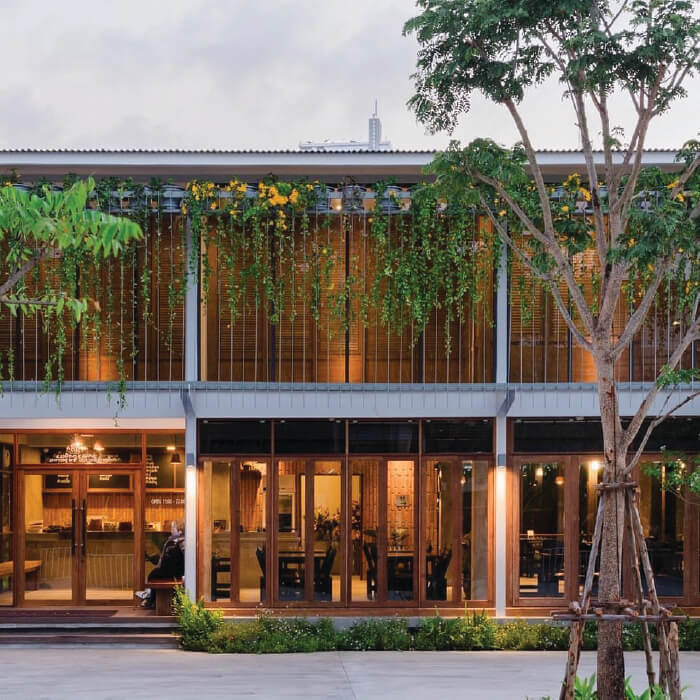
A renovation of a 50-year-old Sukhumvit house to a restaurant.
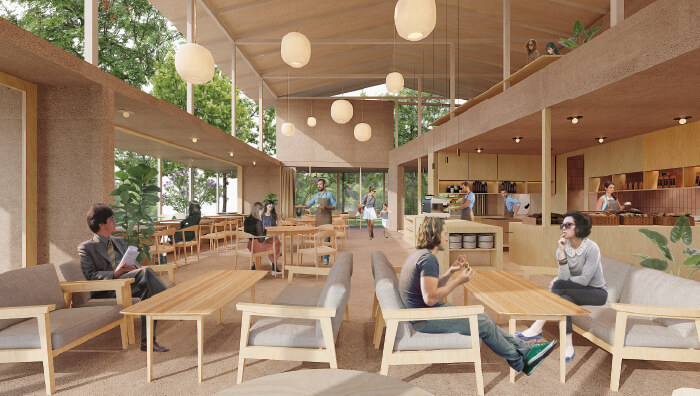
Spatial-rearrangement idea for the restaurant in post-covid era.
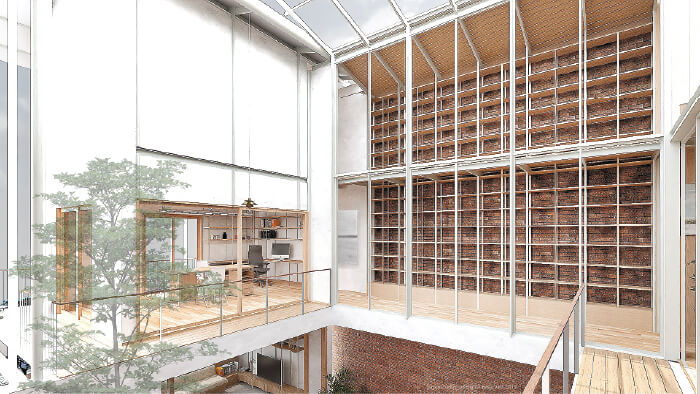
“A house that has a library in it, has a soul.” The private library in Shared House links all spaces together with a triple-height atrium space and an indoor courtyard.
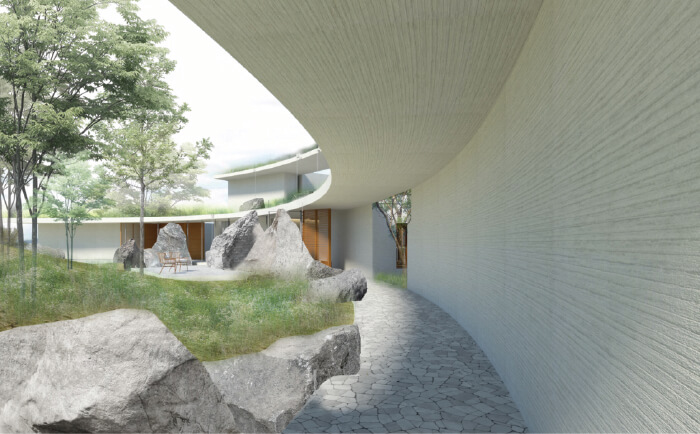
Horizon reflects natural phenomenon and beauty. We try to reverse the perspective from the life that lives inside this house toward the horizon by expanding them.
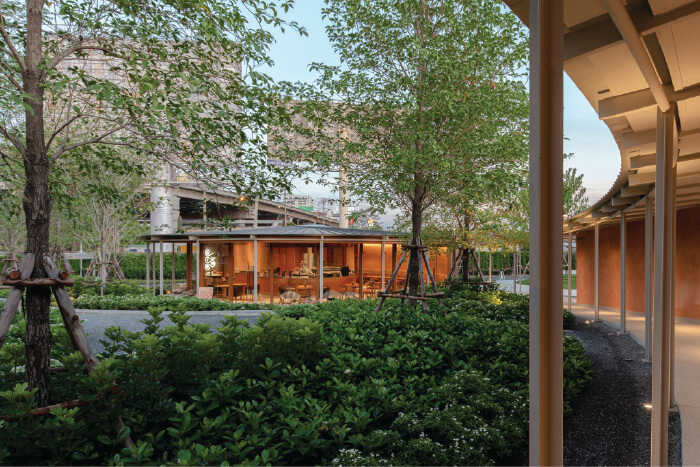
The spaces of the three functional programs: cafe, restaurant, and park are facilitated into one continuous flow, intertwined into a complementing relationship of forms and functionalities.
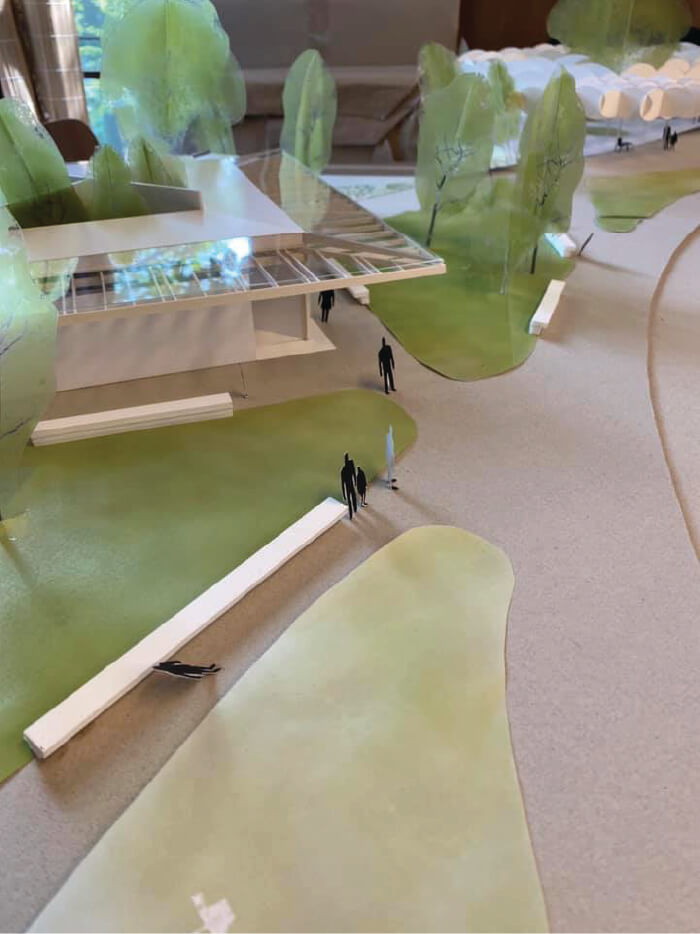
Toilet design at Nakornsawhan, Thailand.
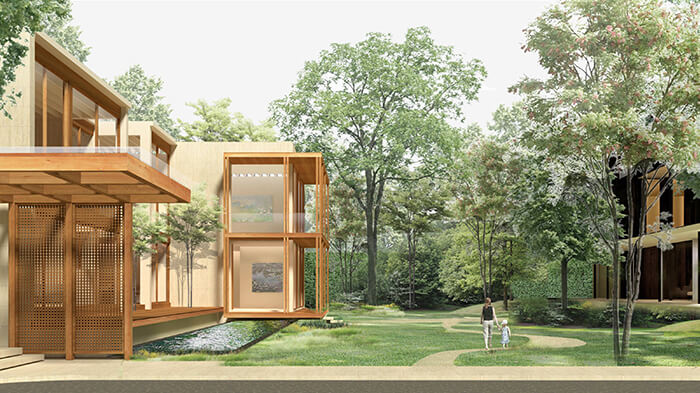
Private art gallery and house renovation project.
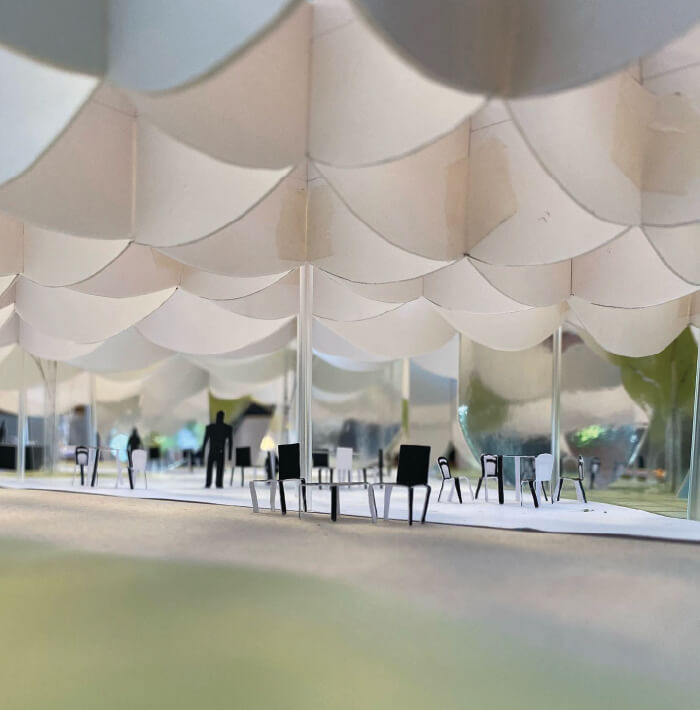
Destination project of Nakornsawhan, Thailand that discovers the sense of place.